Leak detection and location
We use leak detection equipment, a thermal imaging camera, and an inspection camera to pinpoint the leak before we open anything. You get the location marked and explained before we cut.
When a pipe leak in Pennsylvania starts dripping behind a wall or under a slab, you need it found and fixed before the damage spreads. We handle residential pipe leak repair Pennsylvania homeowners call about most: copper, PEX, and CPVC lines in basements, crawl spaces, and walls. Our techs use thermal imaging and hydrostatic testing to pinpoint the source, then repair or replace the failed section the same day. One call, one crew, dry floors.
Pipe leak repair in Pennsylvania means finding the exact point where water is escaping a pressurized line, stopping it, and proving the line holds pressure again. That can be a pinhole in copper behind a bathroom wall, a failed joint on CPVC in a crawl space, or a split in PEX after a hard freeze. We isolate the line, cut out the damaged section with a pipe cutter, and rebuild it with new fittings, solder, or press connections. Then we run a hydrostatic test pump to confirm the repair holds before closing anything up.
Most calls we get are for hidden pipe leak repair Pennsylvania homeowners only notice when the water bill jumps or a ceiling stain appears. Older housing stock in this state, especially pre-1950 copper and galvanized systems, corrodes from the inside out. Winter adds frozen pipe and burst pipe calls. If you are searching pipe leak repair near me Pennsylvania because you hear water running with no fixture on, that is usually a slab or wall leak, and it will not fix itself. We trace it, open the smallest access possible, and repair it.
Every pipe leak repair job includes detection, the repair itself, and a pressure test to prove it holds. Here is what is covered on a standard call, and what we handle as an add-on when the damage goes beyond the pipe.
We use leak detection equipment, a thermal imaging camera, and an inspection camera to pinpoint the leak before we open anything. You get the location marked and explained before we cut.
We remove the failed section with a pipe cutter and rebuild it using matching copper, PEX, or CPVC, with new fittings, solder, or press connections. No patch kits on pressurized lines.
A hydrostatic test pump confirms the repair holds at working pressure. We also check static pressure at nearby fixtures so you know the line is performing, not just holding.
We restore pipe insulation on the repaired section and close the access point where possible. If drywall or flooring needs a separate repair, we tell you exactly what and where.
You get a written warranty on the repair. If the same joint fails inside the warranty window, we return and fix it at no charge. Parts carry their own manufacturer warranty.
You call (866) 335-0104 and describe what you see: a wet ceiling, a hissing wall, a meter spinning with everything off. We ask the right questions to know whether to shut your main off before we arrive. Emergency pipe leak repair PA calls get priority dispatch, including nights and weekends.
A licensed tech walks the system with leak detection equipment, a thermal imaging camera, and an inspection camera. We check the water meter, isolate zones, and pressure-test suspect lines. This is the step that keeps us from opening the wrong wall. Most detections take 45 to 90 minutes.
Once we mark the leak, we cut out the failed section with a pipe cutter and rebuild it. Copper gets soldered or joined with a press fitting tool; PEX gets crimped or expanded with Uponor or Viega fittings. A simple joint repair runs 2 to 4 hours. A slab or underground line takes longer.
We recharge the line and watch the gauge on a hydrostatic test pump. If it holds, we restore insulation, close the access, and check nearby fixtures for low water pressure. If the leak soaked drywall or a crawl space, we tell you what needs to dry and what we can handle.
Before we leave, we show you the repair, explain what failed and why, and note anything worth watching. You get a written warranty on the workmanship. If the same joint leaks again inside the warranty window, we come back at no charge.
You call (866) 335-0104 and describe what you see: a wet ceiling, a hissing wall, a meter spinning with everything off. We ask the right questions to know whether to shut your main off before we arrive. Emergency pipe leak repair PA calls get priority dispatch, including nights and weekends.
Reads temperature differences behind walls and under slabs to show where water is escaping. It lets us open a 12-inch access instead of a whole wall.
Pressurizes an isolated line to confirm the repair holds. We use it before and after the fix so you know the line is sound, not just dry.
Slides into crawl spaces, drains, and wall cavities to see pipe condition and joint failures we cannot reach by eye.
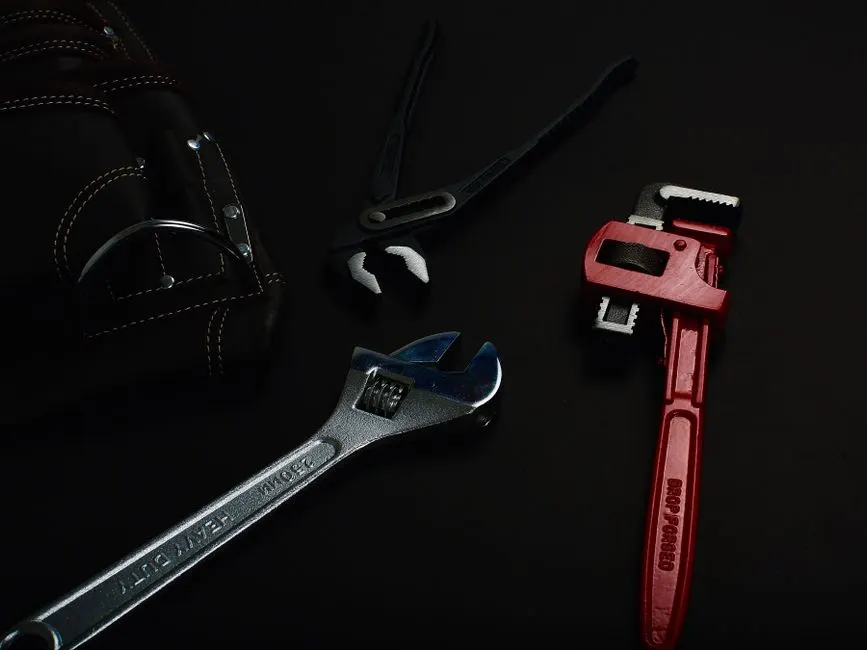
Joins copper and PEX connections without open flame in tight spaces. Faster and safer when we are working near framing or insulation.
Thaws frozen lines safely with controlled current instead of a torch. Prevents the fire risk that comes with open-flame thawing in a crawl space.
The basics, done right. Clean square cuts and proper torque on fittings are what keep a repair from leaking again next season.
A homeowner in Ephrata noticed a water bill jump and a faint musty smell near the kitchen. The wall was dry to the touch. A thermal scan showed a cold streak behind the drywall, and pressure testing confirmed a pinhole in the copper supply line.
After: We opened a 12-inch access, cut out the failed copper, and soldered in a new section. The line held at test pressure, the meter stopped moving, and the bill dropped back to normal the next cycle. Total job time was about three hours.
Book this service →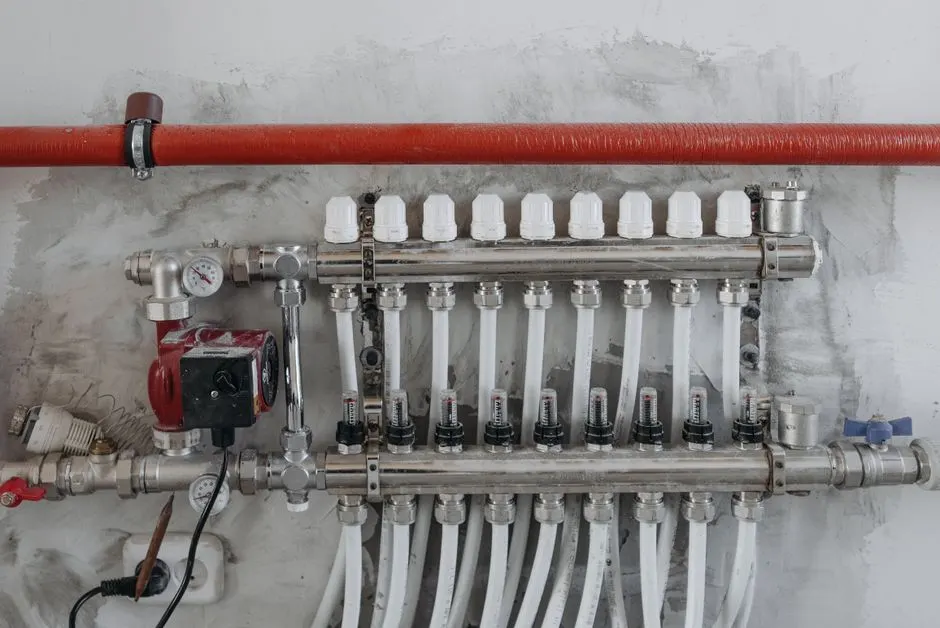
A York homeowner woke up to no water and a wet crawl space after a single-digit night. The line along the exterior wall had frozen and split at a joint. Water was spraying once the thaw started.
After: We shut the main, thawed the line with a pipe thawing machine, and replaced the split section with PEX. The line was pressure-tested and insulated before we closed the access. Water was back on by early afternoon.
Book this service →
A Phoenixville homeowner had a warm spot on the basement floor and a meter that would not stop. The leak was under a finished slab, and two other companies wanted to break up the whole floor.
After: We isolated the line, confirmed the leak with acoustic and thermal detection, and rerouted the section overhead through the joist bay. The slab stayed intact. Pressure was restored and the meter stopped within the day.
Book this service →Most leaks announce themselves in ways homeowners misread. Here are the problems we solve most often, and what happens if you let them ride.
Ask a pro →We isolate zones at the main, watch the meter, and narrow the leak to a specific line. Thermal imaging confirms the spot. Then we repair the failed section and recheck the meter to prove it stopped.
We trace the stain back to the source line, usually a joint or pinhole above. We repair the pipe, pressure-test it, and tell you whether the drywall needs replacement or just drying time.
We check the fixture, then the line behind it. If corrosion or a failing joint is the cause, we cut out the bad section and replace it. Pressure is verified at the fixture before we leave.
We inspect with a camera, check the meter, and pressure-test suspect lines. Once we find the leak, we repair it and point out what needs to dry or be replaced.
Most pipe leak repairs in Pennsylvania run $180 to $650, with hidden or slab leaks often $500 to $1,200 because detection and access take longer. Emergency calls, after-hours work, and underground lines push toward the higher end. The price depends on access, pipe material, and how much of the line failed. We quote before we start, so you know the number up front.
Shut every fixture off and watch your water meter. If the dial still moves, you have a leak. Other signs: a hissing sound in a wall, warm spots on a slab floor, a musty smell in the basement, or a water bill that jumped 20 percent or more. We confirm with thermal imaging and a hydrostatic test pump before opening anything.
Licensed plumbing contractors repair leaking pipes in Pennsylvania. A master plumber license or journeyman plumber license is required for most work, and local municipal plumbing permits are often needed for main-line or underground repairs. Our techs are licensed, insured, and bonded, and we handle the permit when the job calls for one.
You can stop a drip temporarily with epoxy putty, pipe clamps, or Teflon tape, but that is a patch, not a repair. Pressurized lines need a proper cut-and-replace with the right fittings and a pressure test. DIY patches on hidden leaks usually fail within weeks and can void insurance claims. Call us when the meter will not stop moving.
Our pipe leak repair crews cover southeastern and central Pennsylvania, from Lancaster and York counties out to the Philadelphia suburbs. Whether you are in a borough rowhome or a rural property, the same licensed techs and the same detection gear show up. Here is how we handle pipe leak repair in some of the towns we serve most.
Older borough homes with copper and galvanized lines. We handle pinhole leaks, joint failures, and winter freeze splits with same-day detection and repair.
↗ 02 PalmyraMix of older in-town housing and newer builds. We repair copper, PEX, and CPVC leaks and pressure-test every line before we close the access.
↗ 03 Willow StreetSuburban homes with finished basements. Slab leaks and hidden wall leaks are common here, and we locate them with thermal imaging before opening anything.
↗ 04 AkronSmall-borough housing stock with aging supply lines. We cut out corroded sections and rebuild with copper or PEX, then verify pressure at the fixtures.
↗ 05 NewmanstownRural properties with longer exterior runs. Frozen lines and water line breaks between the well and house are frequent winter calls for our crew.
↗ 06 NewvilleOlder homes and farm properties. We repair galvanized and copper leaks, insulate exposed runs, and check crawl spaces for moisture damage.
↗ 07 LandisvilleNewer suburban builds with PEX and CPVC. Fitting failures and freeze splits are the usual calls, and most are repaired the same day.
↗ 08 BainbridgeRiver-adjacent homes with damp basements. We pressure-test suspect lines and repair leaks that would otherwise hide behind moisture and musty smells.
↗ 09 ChristianaRural and semi-rural properties with well systems. We handle line breaks, frozen splits, and low-pressure complaints from failing supply lines.
↗ 10 Peach BottomOutlying properties along the river. Long runs and older pipe mean leaks travel. We locate the source and repair the failed section in one visit.
↗ 11 ReftonSmall-community housing with a mix of pipe materials. We repair copper and PEX leaks and check the surrounding line for the next weak point.
↗ 12 BrogueRural homes with crawl spaces and exterior runs. We thaw frozen lines, repair splits, and add insulation to reduce repeat freeze damage.
↗ 13 OnoCountry properties with long supply lines. We find hidden leaks with meter testing and thermal imaging, then repair and pressure-test the line.
↗ 14 PhoenixvilleOlder borough rowhomes with original copper and galvanized. We handle pinhole leaks, slab leaks, and joint failures without tearing out whole walls.
↗ 15 HatboroEstablished suburban homes with finished basements. We repair hidden wall and slab leaks, restore pressure, and document the work for your records.
↗Water is running where it should not. Every hour you wait adds damage and cost. Call (866) 335-0104 and a licensed tech will find the leak, fix it, and pressure-test the line before we leave. Same-day service on most calls, 24/7 for emergencies.
Call Now (866) 335-0104 →Call (866) 335-0104 any hour for Burst Pipe Repair in Pennsylvania. Our dispatchers answer 24/7, take your address and details, and send the closest truck. Most metro-area calls get a technician on site within 60 to 90 minutes.