Freeze Location and Diagnosis
We trace the frozen run with a thermal imaging camera and inspection camera to find the ice block and any hidden splits. You get a clear explanation of what froze, where, and why before we start work.
When a pipe freezes, you need frozen pipe repair in Pennsylvania before the ice expands and splits the copper. Our licensed plumbers thaw lines with controlled heat, find every split, and restore water the same day. We cover the whole state, from Harrisburg rowhomes to West Chester farmhouses, and we answer the phone at 2 a.m. in January.
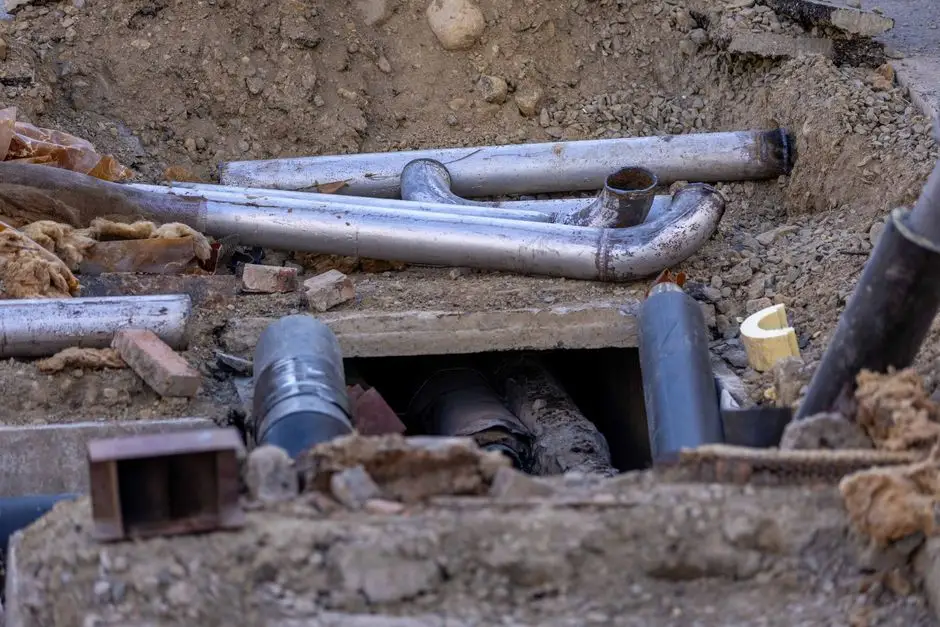
Frozen pipe repair in Pennsylvania is a plumbing service that thaws ice-blocked water lines and repairs the cracks, split joints, and burst sections the freeze leaves behind. It is needed the moment a faucet runs dry or a pipe starts weeping in a basement. We use a pipe thawing machine and thermal imaging camera to warm the line safely, then a pipe cutter and soldering torch or press fitting tool to replace damaged sections with copper pipe, PEX pipe, or CPVC pipe.
Pennsylvania winters swing hard. A 20-degree night in Harrisburg followed by a 45-degree thaw day is exactly what cracks a pipe that froze solid. Homes in Mount Joy, Etters, and Cornwall with unheated crawl spaces and rim-joist runs take the worst of it. If you are searching for emergency frozen pipe repair near me Pennsylvania during a cold snap, we run 24/7 frozen pipe repair Pennsylvania crews through the season, and we know how to thaw frozen pipes in Pennsylvania without bursting them.
Every frozen pipe call includes the diagnosis, the thaw, and a pressure test on the repaired line. Here is what is covered on a standard visit, and what we handle as an add-on when the freeze caused more damage than a simple thaw can fix.
We trace the frozen run with a thermal imaging camera and inspection camera to find the ice block and any hidden splits. You get a clear explanation of what froze, where, and why before we start work.
We thaw the line with a pipe thawing machine using low-voltage heat, never an open torch inside a wall. Most thaws take 30 to 90 minutes, and you will hear water moving before we are done.
If the ice cracked the pipe, we cut out the damaged section with a pipe cutter and rebuild it in copper, PEX, or CPVC using SharkBite, Viega, or Uponor fittings. Failed valves get replaced while we are in there.
Before the water goes back on, we pressure-test the repair with a hydrostatic test pump. Then we open the line, check every fixture on it, and confirm you have full flow and no weeping joints.
We wrap the repaired run with pipe insulation and seal the drafts that let cold air reach it. That is the difference between fixing the pipe and fixing the problem.
You call (866) 335-0104 and tell us what froze and where. We ask whether water is running at all, whether you see a leak, and whether you can shut the main. That tells us whether to send an emergency crew or a standard call, and we give you a price range on the phone.
On site, we trace the line with a thermal imaging camera and inspection camera to find the ice block and any splits. Most freezes sit within 3 to 6 feet of an exterior wall, a crawl space vent, or an unheated basement rim joist. We mark the spot before we touch it.
We thaw with a pipe thawing machine using controlled low-voltage heat. No open flame on a frozen line, no torch on a wall cavity. A typical thaw takes 30 to 90 minutes depending on pipe material and how long the ice has been set. You will hear water start moving before we finish.
If the pipe split, we cut out the cracked section with a pipe cutter and rebuild it. Copper gets soldered or pressed; PEX and CPVC get the correct fittings and clamps. We replace failed valves and any corroded pipe we expose, then pressure-test the repair with a hydrostatic test pump.
We turn the water back on, check every fixture on that line, and insulate the repaired run with pipe insulation. Before we leave you get a plain-English rundown of what froze, why, and the two or three things that will keep it from happening again next January.
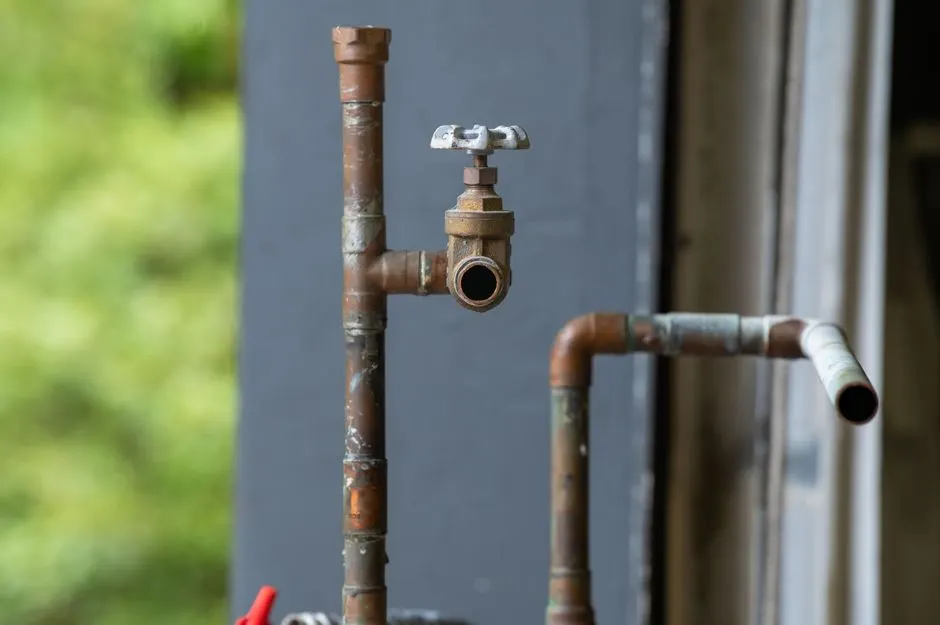
You call (866) 335-0104 and tell us what froze and where. We ask whether water is running at all, whether you see a leak, and whether you can shut the main. That tells us whether to send an emergency crew or a standard call, and we give you a price range on the phone.
Thaws frozen lines with controlled low-voltage heat, so we can free the ice without a torch inside a wall cavity or near framing.
Shows us exactly where the ice block sits behind drywall, under floors, and inside crawl spaces before we open anything up.
Lets us see inside walls and pipe runs to confirm splits, joint failure, and corrosion that a wet spot alone will not reveal.
RIDGID and Milwaukee press tools let us rebuild copper and PEX connections without soldering, which matters in tight spaces near framing.
Pressure-tests the repaired line so we know the fix holds before we turn your water back on and leave.
Clean cuts and code-correct soldered joints on copper repairs, with SharkBite, Viega, or Uponor fittings where a press connection fits better.
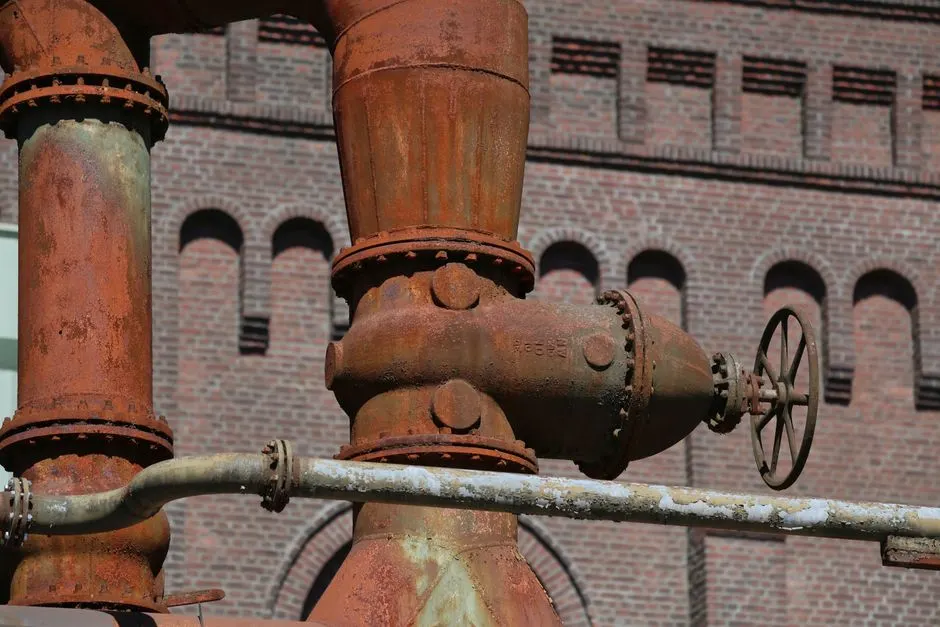
A homeowner woke to no water at the kitchen sink after a 9-degree night. The supply line ran along a shared exterior wall, and the ice block sat about 4 feet from the wall. No visible leak yet, but the line was under pressure.
After: We thawed the line in 45 minutes with a pipe thawing machine, found no split, and pressure-tested it at 100 psi. Water was back before noon. We insulated the run and sealed the wall gap that let cold air reach it.
Book this service →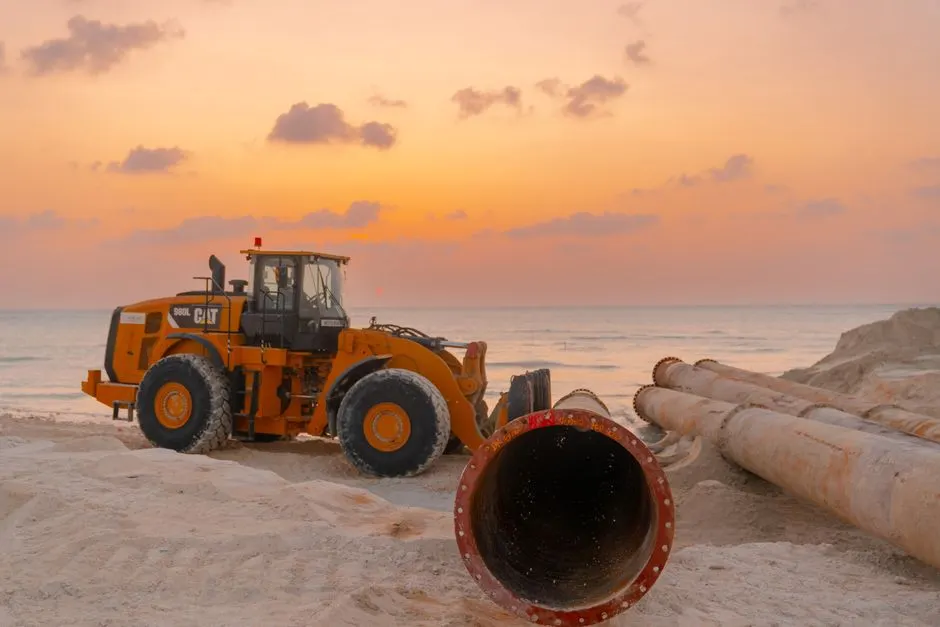
A copper supply line split during a thaw and sprayed water across a finished basement. About 30 feet of carpet was soaked, and the tenant had already shut the main. The split was a 3-inch crack along the pipe.
After: We cut out the failed section, rebuilt it in copper with pressed fittings, and replaced a corroded shutoff valve nearby. Hydrostatic test held at 100 psi. Total repair time was about 3 hours, and the tenant had water back the same afternoon.
Book this service →
A homeowner had called us two winters running for the same frozen crawl space line. The pipe had frozen and thawed three times, and a slow leak had started at a joint, staining the insulation but not yet reaching the floor.
After: We repaired the joint, replaced 12 feet of corroded copper with PEX, and insulated the entire run. We also sealed two open foundation vents. The line has not frozen since, and the slow leak is gone.
Book this service →Most frozen pipe calls fall into a handful of patterns. Here is what we see across Pennsylvania homes and how we handle each one.
Ask a pro →We locate the ice block with a thermal imaging camera, thaw the line with controlled heat, and pressure-test it. If the pipe held, you are back in service the same visit with no replacement needed.
We shut the line, stop the water, and cut out the failed section. The pipe gets rebuilt in copper or PEX and pressure-tested before we leave. Most emergency burst repairs are done in one visit.
We repair the damage, then insulate and air-seal the run and close the vents that let cold air in. That stops the annual freeze and the slow leak that follows it.
We find the restriction, thaw it fully, and check the line for joint failure and corrosion. If a valve or fitting is compromised, we replace it now instead of waiting for it to fail.
Most frozen pipe repairs in Pennsylvania run $180 to $650 in 2026, with a simple thaw at the low end and a burst repair behind a finished wall at the high end. Emergency after-hours calls add a dispatch fee. If the split is in a crawl space or needs a section of copper replaced, expect $400 to $900. We give you a range on the phone and a firm price before we start.
You want a state-licensed plumbing contractor, not a handyman. Frozen line repair means thawing the ice, then cutting out and replacing any split pipe, joint, or valve. We hold Pennsylvania plumbing licenses, work under master plumber license supervision, and carry the insurance and permits to do the job code-correct. Call (866) 335-0104 and we will tell you honestly whether it is a repair or a replace.
Insulate every pipe run in crawl spaces, basements, and rim joists before the first hard freeze, and seal the vents and drafts that let cold air hit the line. Keep cabinet doors open under sinks on exterior walls during cold snaps, and let a pencil-thin stream run overnight on the coldest nights. Disconnect garden hoses and shut off exterior spigots by November. If a line froze last winter, it will freeze again without insulation and air sealing.
Sometimes, yes. If the line froze but did not split, we thaw it and pressure-test it, and it often goes right back into service with no replacement. If the ice expanded and cracked the copper, that section has to be cut out and replaced. We use an inspection camera and hydrostatic test pump to confirm which situation you have, so you are not paying for pipe you do not need.
We run frozen pipe thawing services PA-wide, with crews staged across the Harrisburg, Lebanon, Lancaster, and Philadelphia suburban corridors. That means faster arrival times in a cold snap, and a plumber who knows whether your neighborhood has crawl space lines, slab construction, or 1800s stone walls. Here are some of the communities we cover.
Rowhome and older city housing stock with supply lines in exterior walls. We thaw from inside and check the party wall for splits before we leave.
↗ 02 LebanonMix of older homes and rentals with unheated basements. We handle emergency thaw and burst repair, and we check every line on the property, not just the failed one.
↗ 03 Mount JoyCrawl space and rim joist freezes are common here. We repair the split, then insulate and air-seal the run so it does not freeze again next winter.
↗ 04 HummelstownOlder homes with drafty foundation walls freeze at the rim joist. We locate the block with a thermal camera and seal the gap that let the cold air in.
↗ 05 EttersRural and semi-rural properties with long supply runs and unheated crawl spaces. We thaw, repair, and pressure-test the full line before restoring water.
↗ 06 CornwallHomes with exterior wall runs and older copper that splits easily in a hard freeze. We cut out the failed section and rebuild it code-correct.
↗ 07 East BerlinFarmhouses and older construction with uninsulated basement lines. We repair the freeze damage and insulate the run to stop the annual problem.
↗ 08 Blue BallRural properties with well-fed systems and long pipe runs. We thaw the line, check for joint failure, and pressure-test before the water goes back on.
↗ 09 Spring GroveOlder homes and rentals where crawl space lines freeze first. We handle the emergency thaw and repair, then seal the vents that let cold air in.
↗ 10 StevensSemi-rural homes with exposed basement and crawl space plumbing. We repair splits, replace failed valves, and insulate the full run.
↗ 11 Mount GretnaSeasonal and part-time homes that sit unheated through cold snaps. We do full-house line checks, not just the reported freeze, because damage is rarely isolated.
↗ 12 GoodvilleFarm and rural properties with long supply runs. We thaw with controlled heat and repair any split section in copper, PEX, or CPVC.
↗ 13 KleinfeltersvilleRural homes with well systems and unheated crawl spaces. We repair freeze damage and insulate the run so the next cold snap does not take it out.
↗ 14 LevittownMid-century slab and crawl space construction puts lines close to exterior grade. We repair the freeze damage and insulate the full run after.
↗ 15 SoudertonNewer subdivisions freeze at hose bibs, garage walls, and poorly insulated crawl spaces. We thaw, repair, and pressure-test the line before we leave.
↗Water off, pipe split, or a faucet that will not run? Call (866) 335-0104 now. We answer 24/7 through the winter, give you a price range on the phone, and send a licensed plumber who can thaw and repair the line the same day.
Call Now (866) 335-0104 →Call (866) 335-0104 any hour for Burst Pipe Repair in Pennsylvania. Our dispatchers answer 24/7, take your address and details, and send the closest truck. Most metro-area calls get a technician on site within 60 to 90 minutes.